

Intention Setting in Ketamine-Assisted Therapy: Why It Matters
If you are new to learning about KAP, check out our blog KAP: What You Need to Know
Ketamine-assisted therapy (KAP) has been increasingly popular, and while much attention is often placed on the medicine itself, one of the most important parts of the process happens before a session begins: intention setting.
Intention setting is about creating a gentle inner compass, something that helps guide reflection, emotional openness, and meaning-making throughout the therapeutic process.
What Is Intention Setting?
In the context of ketamine-assisted therapy, intention setting is a collaborative process between client and therapist that helps clarify what the client hopes to explore, understand, or approach during treatment. Unlike a goal, which is outcome-oriented (“I want to fix this problem”), an intention is process-oriented (“I want to approach this experience with curiosity” or “I want to better understand my emotions”).
In KAP, intentions help anchor the experience within a therapeutic framework rather than viewing it as something random or disconnected from personal growth. An intention is not a demand or expectation for a specific outcome. It is a point of focus that supports curiosity, emotional openness, and reflection throughout the therapeutic process.
Examples of intentions may include:
Developing greater self-compassion
Exploring emotional patterns with curiosity
Gaining insight into stress, mood, or relationships
Practicing openness to internal experience
Why Intention Setting Matters in KAP
KAP is designed to support new perspectives and emotional flexibility. Intention setting helps in several key ways:
Creates psychological safety
Reflecting on an intention beforehand can help a client feel more grounded and prepared.Provides direction without pressure
An intention offers a reference point. If the experience moves in an unexpected direction, the intention can still serve as a support to come back to.Supports integration after the session
Intentions give therapists and clients a shared language to reflect on insights and emotions during follow-up integration sessions.Keeps therapy values-centered
The focus stays on healing, self-understanding, and emotional growth—not on the medicine itself.
What Makes a Supportive Intention?
Clients are encouraged to keep their intention open, compassionate, and flexible. Helpful intentions tend to:
Be framed with curiosity rather than judgment
Focus on awareness instead of control
Allow space for emotions, memories, or insights to arise naturally
Examples of gentle, non-directive intentions might include:
“I want to listen to what my inner experience is showing me.”
“I want to explore my relationship with stress more kindly.”
“I want to practice letting go of resistance.”
There is no “perfect” intention. Even noticing uncertainty can be a meaningful place to start. For example, “I don’t know what I need, but I’m open to learning”
Intention Setting as a Collaborative Process
Intention setting is done in collaboration with a trained mental health professional. Your therapist will work with you to explore what feels meaningful, emotionally safe, and aligned with your therapeutic goals, taking into account your history, current concerns, and readiness for treatment. Intentions can evolve. What feels right before a session may shift afterward, and that’s part of the work. Therapy is not about getting it “right,” but about staying engaged with the process.
Integration: Where Intentions Come Full Circle
After a KAP session, intention setting continues to play a role during integration.—the reflective therapy work that helps translate insights into everyday life. Revisiting the original intention can help clients notice:
What themes emerged
What emotions felt significant
What new questions or perspectives arose
Areas for continued growth
Sometimes the most valuable outcome isn’t an answer, but a deeper sense of self-compassion or insight gained.
Intention setting can help transform an experience into meaningful therapeutic work.
When approached with care, guidance, and reflection, intention setting can help ensure that KAP remains what it is meant to be: a structured, ethical, and deeply human process of healing.
Written by: Olivia Clark, LPCC, BCN
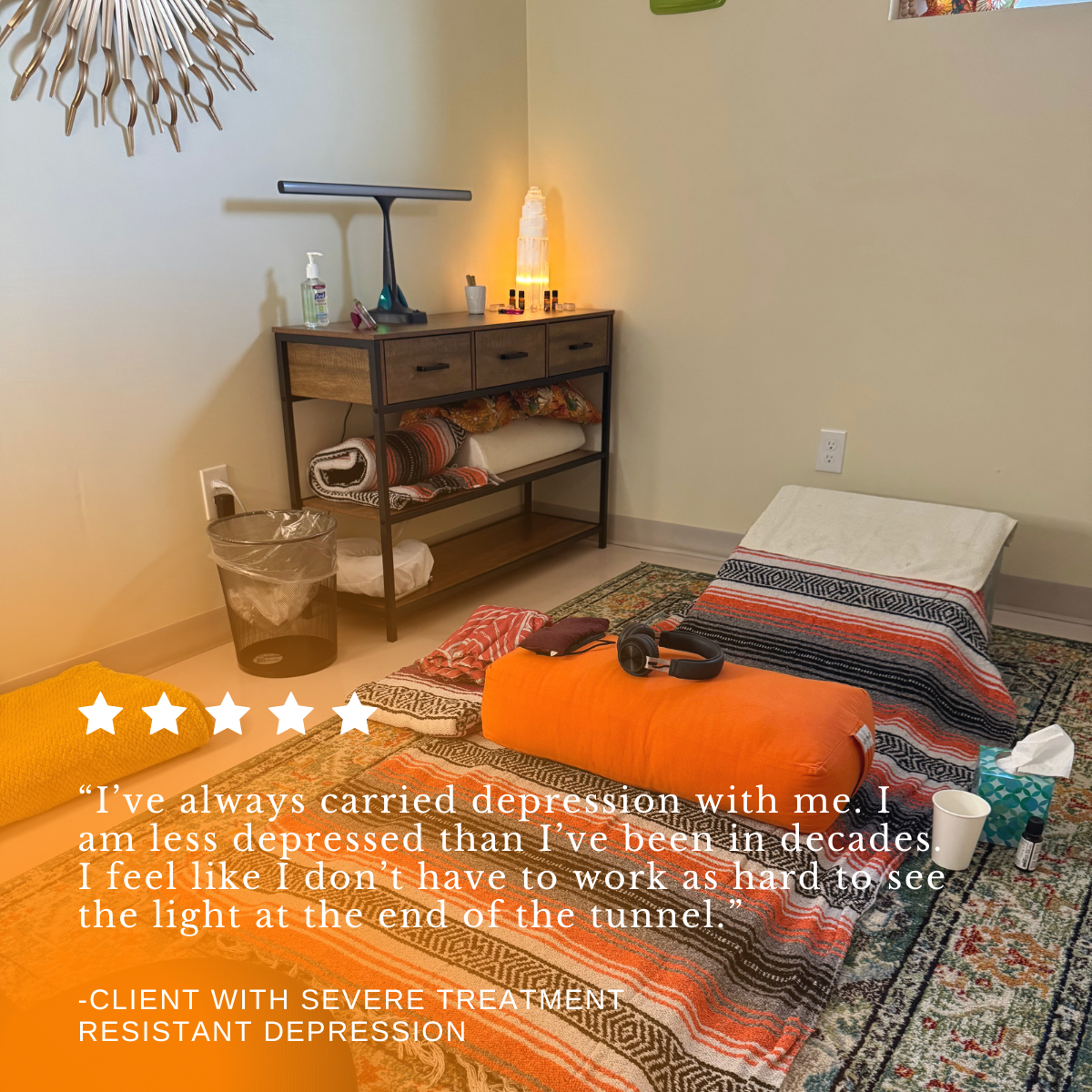
Ketamine-Assisted Therapy in Cuyahoga Falls & Akron, Ohio: What You Need to Know.
Ketamine-assisted therapy (KAP) is emerging as a powerful and evidence-based approach for individuals seeking relief from depression, anxiety, and trauma. For those searching for ketamine-assisted therapy in Cuyahoga Falls or ketamine therapy in Akron, Ohio, this innovative treatment offers a unique blend of neuroscience and psychotherapy designed to support lasting mental health improvement.
If you’re exploring alternative mental health treatments in Cuyahoga Falls or Akron, understanding how KAP works, who it helps, and what to expect can guide your decision toward healing.
Why Consider Ketamine-Assisted Therapy for Mental Health?
Many individuals consider ketamine-assisted therapy after finding limited success with traditional therapy or medication. Ketamine works differently than standard antidepressants by increasing neuroplasticity and enabling the brain to shift rigid thinking patterns.
People seek ketamine therapy for concerns such as:
Treatment-resistant depression
Chronic anxiety or panic disorders
PTSD and complex trauma
Emotional numbness or burnout
Persistent suicidal ideation
Feeling stuck or disconnected
When combined with psychotherapy, ketamine-assisted therapy can help clients:
Increased emotional flexibility
Improved mood and hope
Greater insight and self-awareness
Enhanced trauma processing
Long-term symptom relief
This approach allows individuals to explore emotions and internal experiences with greater openness and reduced fear.
Who Is a Good Fit for Ketamine-Assisted Therapy?
A good candidate for ketamine-assisted therapy is someone who:
Feels stuck in traditional mental health treatment
Seeks deeper therapeutic work
Is psychologically stable and medically screened
Is committed to preparation and integration sessions
Has a safe and supportive environment
KAP may not be appropriate for those with:
Active psychosis or severe dissociative disorders
Uncontrolled medical conditions
Severe substance dependency without stabilization
Significant safety concerns
Professional assessment and careful screening ensure safe and ethical delivery of ketamine-assisted psychotherapy.
What Does Ketamine Feel Like in a Therapeutic Setting?
During ketamine-assisted therapy sessions, individuals typically describe the experience as:
Deeply introspective
Dreamlike or expansive
Emotionally open yet grounded
Temporarily dissociative
Calm and reflective
Clients often feel a gentle separation from their usual mental patterns, allowing them to approach difficult memories and emotions with increased clarity and compassion. Each session is guided by a trained therapist to ensure safety, integration, and therapeutic meaning.
The Importance of Set and Setting in Psychedelic-Assisted Therapy
In any form of psychedelic-assisted therapy, “set and setting” directly influence therapeutic outcomes.
Set (Mindset)
Preparation sessions focus on:
Clarifying intentions
Addressing fears or expectations
Emotional readiness
Building therapeutic trust
Setting (Environment)
A professional ketamine therapy clinic prioritizes:
Calming, private spaces
Comfortable options for resting during the dosing session
Soothing music and lighting
Trauma-informed therapist presence
Clear safety protocols
This intentional environment allows the nervous system to relax, helping clients feel safe enough to explore deeply emotional material.
Ketamine-Assisted Therapy in Cuyahoga Falls & Akron: A Modern Path to Mental Wellness
For individuals seeking advanced mental health care in Cuyahoga Falls and Akron, Ohio, ketamine-assisted therapy offers a transformative option grounded in science, compassion, and therapeutic support.
When delivered ethically and intentionally, ketamine-assisted psychotherapy can help individuals reconnect with themselves, process unresolved trauma, and cultivate emotional resilience.
If you’re considering ketamine-assisted therapy for yourself or a loved on, a consultation with one of our trained providers can help determine whether this approach aligns with your needs and goals.
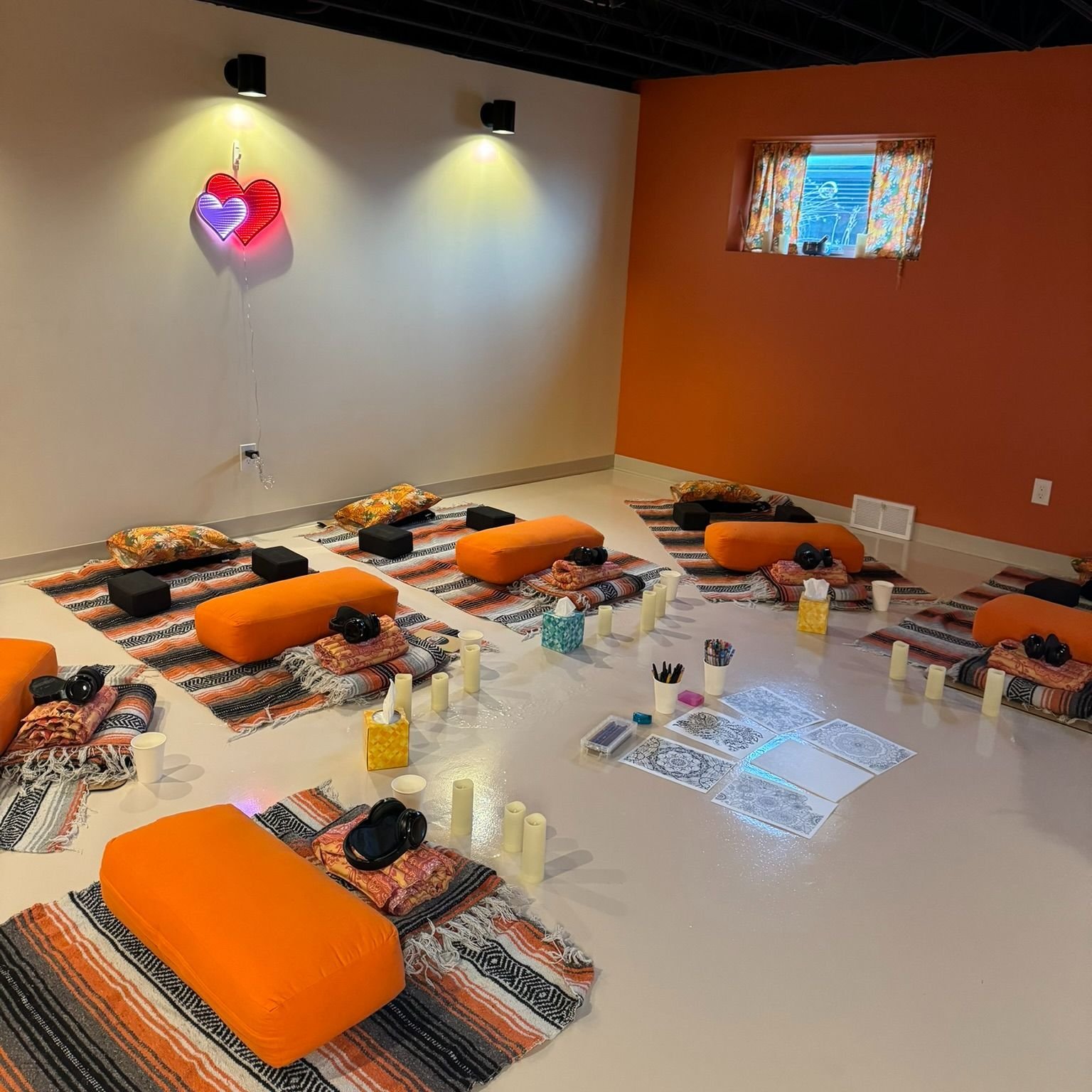
7 Key Benefits of Group Ketamine-Assisted Therapy
Group Ketamine-Assisted Therapy (G-KAP) is an emerging therapeutic approach that combines the neuroplasticity-enhancing effects of ketamine with the supportive dynamics of group therapy. This modality offers several unique benefits:
1. Enhanced Emotional Processing
Ketamine can lower psychological defenses, allowing individuals to access and process deep-seated emotions and memories. In a group setting, sharing these experiences can amplify healing, as participants offer support and validation to one another.
2. Stronger Sense of Community
Participating in KAGT fosters a sense of belonging and reduces feelings of isolation. The shared journey creates a supportive network, which can be crucial for individuals facing mental health challenges.
3. Accelerated Healing
The collective energy and shared insights in a group can expedite personal healing. Observing others' breakthroughs can inspire and motivate participants, leading to faster and deeper therapeutic progress.
4. Diverse Perspectives
Engaging with individuals from varied backgrounds and experiences can provide new coping strategies and viewpoints, enriching one's own healing process.
5. Cost-Effectiveness
Group therapy sessions are often more affordable than individual ones, making ketamine-assisted therapy accessible to a broader range of individuals seeking treatment. Here at Alternative Therapeutics, we offer a sliding scale for G-KAP ranging from $150, $250 or $350 per 4 hour group session.
6. Reduced Stigma
Being part of a group normalizes the therapeutic process, reducing the stigma associated with mental health treatment and encouraging more individuals to seek help.
7. Integration of Experiences
Group discussions before and after ketamine sessions facilitate the integration of experiences, helping participants make sense of their journeys and apply insights to their daily lives.
Overall, Group KAP harnesses the power of community to enhance the therapeutic effects of ketamine, offering a holistic approach to mental health treatment. However, Group KAP isn’t for everyone. Those who struggle with severe social anxiety or feel strongly about privacy, may be better suited for 1:1 KAP.
Learn more about what we offer with KAP here. Reach out to britney@trainyourbrainohio.com with any questions or a free introductory consultation.

Psychedelic Assisted Therapy 101
As you may know, Psychedelic Assisted Therapy (PAT) is becoming the new wave of mental health and wellness. We’ve entered a new beginning, where research in this area is exploding across the country and people are eager to learn more and experience it for themselves.
We are excited to share this informative resource as a starting place for educating yourself and others on the topic.
If you are interested in PAT for yourself or a loved one, please visit our page on 1:1 PAT options with us here at Alternative Therapeutics or, consider attending an upcoming PAT retreat with our friends at The Wellness Den.