

How Trisha Yearwood Used LENS Neurofeedback to Restore Clarity
When country music singer Trisha Yearwood opened up publicly about her cognitive struggles after COVID, countless people saw themselves in her story. She described experiencing significant brain fog, forgetfulness, and cognitive issues, symptoms many people experience after illness, chronic stress, or trauma, until she tried LENS (Low Energy Neurofeedback System).
What Is LENS Neurofeedback?
LENS, or Low Energy Neurofeedback System, is an FDA-approved direct neurofeedback technology that uses EEG (electroencephalography) to measure the brain’s electrical activity and administer a gentle electromagnetic signal to the brain. This signal helps to stimulate the brain, disrupt ineffective brainwave patterns, create new neural pathways, and improve overall brain functioning. A typical LENS session is simple and noninvasive:
Sensors are placed on either the scalp and ears or the body to read brain activity.
The system sends a very low-energy, brief signal, often lasting just a few seconds.
You may feel nothing in the moment, or you may notice subtle shifts such as relaxation, lightness, or tiredness.
You monitor for continued changes after session, often lasting only 24-48 hours at first.
Sessions are adjusted based on your sensitivity, reactivity symptoms, and reported responses.
Trisha Yearwood’s Experience With LENS
Yearwood shared that after recovering from a mild case of COVID, she was left with persistent cognitive issues, such as difficulty recalling familiar words, trouble with focus and forgetfulness, and brain fog. These symptoms are hallmarks of both long COVID and chronic stress. She experienced initial hesitation because she “didn’t understand what this does,” but after a friend recommended it, she decided to try it. According to Yearwood, she noticed:
Significantly improved sleep, stating that it was the best sleep she had in 10 years
Reduced brain fog and improved mental clarity, stating that her brain feels like it did in her 30’s
How gentle and passive the treatment felt, emphasizing that sessions are short and don’t require talking like traditional therapy does
To her, the changes felt so profound that she referred to LENS as “life-changing.”
Considering LENS Neurofeedback?
Although effectiveness can vary by condition, over 85% of clients are reported to benefit significantly, and often dramatically, from LENS. LENS can be used to improve symptoms associated with the following conditions:
Neurodevelopmental and behavioral conditions
Mental health conditions and emotional dysregulation
Brain, cognitive, and neurological conditions
Sleep issues
Addictions and dependences
Chronic pain
Trauma and stress
In a world where our nervous systems are constantly overstimulated by technology, emotional overload, or simply the pace of daily life, LENS offers something unique: a quiet, gentle nudge back towards balance. It doesn’t force the brain to change; it simply reminds it of its capabilities. If you’re curious about how you might benefit from LENS, we’d love to talk with you and explore whether it could be a good fit. You can schedule a free consultation call through our website.
You can also refer to our page on LENS or Ochs Labs website directly for more information: https://main.ochslabs.com/about/
Watch the full interview with Tricia here (she starts talking about LENS 30 minutes in).
Written by: Hailey Adams, M.Ed., LPC

Intention Setting in Ketamine-Assisted Therapy: Why It Matters
If you are new to learning about KAP, check out our blog KAP: What You Need to Know
Ketamine-assisted therapy (KAP) has been increasingly popular, and while much attention is often placed on the medicine itself, one of the most important parts of the process happens before a session begins: intention setting.
Intention setting is about creating a gentle inner compass, something that helps guide reflection, emotional openness, and meaning-making throughout the therapeutic process.
What Is Intention Setting?
In the context of ketamine-assisted therapy, intention setting is a collaborative process between client and therapist that helps clarify what the client hopes to explore, understand, or approach during treatment. Unlike a goal, which is outcome-oriented (“I want to fix this problem”), an intention is process-oriented (“I want to approach this experience with curiosity” or “I want to better understand my emotions”).
In KAP, intentions help anchor the experience within a therapeutic framework rather than viewing it as something random or disconnected from personal growth. An intention is not a demand or expectation for a specific outcome. It is a point of focus that supports curiosity, emotional openness, and reflection throughout the therapeutic process.
Examples of intentions may include:
Developing greater self-compassion
Exploring emotional patterns with curiosity
Gaining insight into stress, mood, or relationships
Practicing openness to internal experience
Why Intention Setting Matters in KAP
KAP is designed to support new perspectives and emotional flexibility. Intention setting helps in several key ways:
Creates psychological safety
Reflecting on an intention beforehand can help a client feel more grounded and prepared.Provides direction without pressure
An intention offers a reference point. If the experience moves in an unexpected direction, the intention can still serve as a support to come back to.Supports integration after the session
Intentions give therapists and clients a shared language to reflect on insights and emotions during follow-up integration sessions.Keeps therapy values-centered
The focus stays on healing, self-understanding, and emotional growth—not on the medicine itself.
What Makes a Supportive Intention?
Clients are encouraged to keep their intention open, compassionate, and flexible. Helpful intentions tend to:
Be framed with curiosity rather than judgment
Focus on awareness instead of control
Allow space for emotions, memories, or insights to arise naturally
Examples of gentle, non-directive intentions might include:
“I want to listen to what my inner experience is showing me.”
“I want to explore my relationship with stress more kindly.”
“I want to practice letting go of resistance.”
There is no “perfect” intention. Even noticing uncertainty can be a meaningful place to start. For example, “I don’t know what I need, but I’m open to learning”
Intention Setting as a Collaborative Process
Intention setting is done in collaboration with a trained mental health professional. Your therapist will work with you to explore what feels meaningful, emotionally safe, and aligned with your therapeutic goals, taking into account your history, current concerns, and readiness for treatment. Intentions can evolve. What feels right before a session may shift afterward, and that’s part of the work. Therapy is not about getting it “right,” but about staying engaged with the process.
Integration: Where Intentions Come Full Circle
After a KAP session, intention setting continues to play a role during integration.—the reflective therapy work that helps translate insights into everyday life. Revisiting the original intention can help clients notice:
What themes emerged
What emotions felt significant
What new questions or perspectives arose
Areas for continued growth
Sometimes the most valuable outcome isn’t an answer, but a deeper sense of self-compassion or insight gained.
Intention setting can help transform an experience into meaningful therapeutic work.
When approached with care, guidance, and reflection, intention setting can help ensure that KAP remains what it is meant to be: a structured, ethical, and deeply human process of healing.
Written by: Olivia Clark, LPCC, BCN

Understanding Dissociation: Signs, Symptoms, and Brain-Based Treatment Options
Dissociation is one of the most misunderstood mental health experiences—but it’s incredibly common. Many people live with dissociation without realizing what’s happening or why their mind seems to “check out” during stress, conflict, or emotional overwhelm.
In our practice, we specialize in brain-based therapy for dissociation, including neurofeedback and EMDR therapy, which help clients reconnect with their bodies, regulate their nervous systems, and safely process the root causes of dissociation.
Whether you experience mild spacing out or more intense detachment, this article will help you understand what dissociation is, why it happens, and how modern brain-based treatments can contribute long-term healing.
What Is Dissociation?
Dissociation is the brain’s way of protecting you when it senses danger or emotional overload. Instead of going into fight-or-flight, the mind might:
shut down
disconnect
numb out
escape inward
There can shame around dissociation when we begin to realize it's a stress response. But dissociation is not a weakness—it’s a survival strategy. Many people experience dissociation related to:
trauma or adverse childhood experiences
chronic stress
emotional neglect
overwhelming anxiety
sensory overload
long-term nervous system dysregulation
Understanding dissociation is the first step toward healing it.
Common Signs and Symptoms of Dissociation
Dissociation, like so many mental states, exists on a spectrum. For some people, it shows up subtly; for others, it can be intense and disruptive.
Here are the most common signs of dissociation:
1. Feeling “Checked Out” or Numb
A sense of emotional flatness or detachment from feelings.
2. Losing Time or Having Memory Gaps
You may not remember parts of conversations, events, or your day.
3. Feeling Disconnected From Yourself
A sense of watching yourself from the outside, or feeling like you’re not fully in your body.
4. Feeling Disconnected From Reality
The world may feel foggy, dreamlike, or unreal.
5. Difficulty Focusing
Trouble staying present, hearing information, or staying engaged in tasks.
6. Automatic or Robotic Behavior
Going through the motions without feeling mentally “there.”
7. Emotional Shutdown During Conflict
You may freeze, go blank, or feel like you disappeared inside.
Dissociation becomes problematic when it interferes with daily life, relationships, or functioning—or when you feel you have no control over it.
Why Dissociation Happens: The Brain-Based Explanation
Dissociation is fundamentally a nervous system response. When the brain perceives danger and believes fight or flight won’t work, it may shift into:
freeze
shutdown
collapse
detachment
This is regulated by neural circuits in the brain responsible for threat detection and survival. Over time, if someone experiences repeated stress or trauma, the brain learns that dissociation is the safest option—and begins using it even during non-dangerous situations.
This is why many people say:
“I go numb when emotions get too big.”
“I disappear inside during arguments.”
“My brain shuts down without warning.”
It’s not intentional—your brain is doing exactly what it learned to do to keep you safe.
Brain-Based Treatment Options for Dissociation
Healing dissociation is absolutely possible, especially when treatments address the nervous system, not just thoughts or behaviors. The most effective approaches help retrain the brain to feel safe enough to stay present.
Below are two of the most research-backed, brain-based treatments available.
1. Neurofeedback Therapy for Dissociation
Neurofeedback helps stabilize the brain and reduce the shutdown patterns that contribute to dissociation. It trains brainwave activity so the nervous system feels calmer, more regulated, and more connected.
Potential benefits of neurofeedback for dissociation include:
increasing here and now presence
improved emotional regulation
decreased freeze and shutdown responses
greater focus and awareness
greater ability to stay connected during therapy
reduced overwhelm and nervous system overload
Many clients report that neurofeedback helps them feel “anchored” in their body in a way they’ve never felt before.
2. EMDR Therapy for Dissociation
EMDR therapy is one of the most powerful tools for treating trauma, which is often at the root of dissociation. But EMDR is especially effective because it:
helps reprocess traumatic memories
reduces the need for dissociation as a coping mechanism
integrates fragmented experiences
builds the brain’s tolerance for emotional material
strengthens the ability to stay present during stress
EMDR helps the brain complete the processing that dissociation has been blocking. For clients with significant dissociation, EMDR is often paired with stabilization work and nervous system strengthening before deeper reprocessing begins. This ensures therapy feels safe, grounded, and productive.
Why Combining Neurofeedback + EMDR Works Best
For many clients, dissociation is rooted both in brainwave dysregulation and unprocessed trauma. This is why combining neurofeedback and EMDR often leads to the fastest, most stable improvements. Together, they help clients:
build nervous system capacity
stay present and grounded
process trauma without shutting down
reduce dissociative episodes
increase emotional resilience
reconnect with their bodies
strengthen long-term stability
This integrated approach treats dissociation at the source—not just the symptoms.
Dissociation is a natural response to overwhelming experiences, but it doesn’t have to remain your default. With the right support, your brain can learn new patterns, reconnect with your body, and feel safe enough to stay present. Our practice specializes in neurofeedback therapy, EMDR therapy, and trauma-informed treatment designed specifically for clients struggling with dissociation. If you’re ready to feel more grounded, more connected, and more in control, we’re here to help.
Written by: Mary Beth Stevens, LPCC, BCN

10 Signs of a Trauma-Informed Therapist
Finding the right therapist can feel overwhelming, especially if you have a history of trauma or complex life experiences. A trauma-informed therapist isn’t defined by one specific technique. Instead, they understand how trauma shapes the brain, body, and relationships, and they create a space where healing can happen safely and at your pace. After sifting through therapy practice websites and psychology today profiles, you finally get a consult call scheduled… But now what? Here are 10 signs to help you gauge whether or not a therapist is trauma-informed:
They Prioritize Safety Above All Else
Healing cannot happen without a sense of safety: emotional, relational, and physical. A trauma-informed therapist intentionally creates a safe space, emphasizing choice, consent, and collaboration. You may notice that they:
Check in with you regularly
Never push you to disclose details before you're ready
Practice regulation strategies with you in session
Are mindful of your sensory sensitivities and preferences
A question you might ask: “How do you create a safe and supportive environment for trauma survivors?”
2. They Understand How Trauma is Stored in the Body
Trauma isn’t a story we narrate and analyze but rather a collection of emotions and experiences we store in our nervous system. A trauma-informed therapist understands this and incorporates nervous system regulation strategies like sensory grounding, breathwork, mindfulness meditation, or somatic movement before diving into deeper work. Everyone has a “window of tolerance”, or emotional range where we can process information without shutting down or becoming overwhelmed. Trauma-informed therapists:
Attune to your body language, monitoring your cues for dysregulation
Slow down or pause when needed
Provide grounding, movement, or other regulation strategies, offering to practice them together in session
Focus on establishing trust, safety, and stabilization before deeper work
A question you might ask: “How do you handle distress or triggers as they come up in therapy?”
3. They Move at Your Pace
A trauma-informed therapist recognizes that sometimes slow is fast, meaning that rushing the process can be harmful, not helpful. They regularly check in about:
Whether you feel ready to explore something deeper
What feels overwhelming or too intense
While they may ask questions to understand your experiences, there is no expectation to share more than you’re ready to share.
A question you might ask: “What’s your intake process like?”
4. They Recognize Protective Parts and Defense Mechanisms as a Normal Part of the Therapeutic Process
Trauma-informed care is rooted in compassion and curiosity. A trauma-informed therapist recognizes that symptoms like irritability, avoidance, or hypervigilance are survival strategies that likely protected you at some point in your life. Rather than pathologizing your behaviors, they help you understand them with compassion and clarity.
A question you might ask: “How do you handle protective parts and defense mechanisms as they come up in therapy?”
5. They Are Grounded in Evidence-Based Trauma Modalities
While treating trauma is not a “one size fits all” approach, many therapists have specialized training in trauma-informed modalities such as:
EMDR (Eye Movement Desensitization and Reprocessing)
Somatic therapy
Internal Family Systems (IFS)/Parts work
Polyvagal theory
Trauma-Focused CBT/DBT
Your therapist doesn’t need to use all of these, but they should be comfortable explaining their approach.
A question you might ask: “What training do you have in trauma-informed care?”
6. They Take Time to Answer Questions and Explain the “Why” Behind Their Techniques
Transparency builds trust. A trauma-informed therapist wants you to understand the process so you feel empowered to make decisions about your treatment. They may explain:
Why they are suggesting a particular intervention
What you can expect during and after a session
A question you might ask: “What do you consider informed consent throughout treatment?”
7. They Encourage Feedback and Repair Ruptures Without Defense
The therapeutic relationship is proven to be the most important factor in a client’s therapy outcomes. A trauma-informed therapist will prioritize the therapeutic relationship above all else, recognizing that humans are relational beings and therefore need relational safety to heal. They encourage you to say things like:
“I’m not sure this approach is working.”
“It upset me when you responded that way.”
“I don’t like how that session went.”
“I feel uncomfortable with that.”
Instead of reacting defensively, a trauma-informed therapist will respond with curiosity, validation, and a willingness to adjust.
8. They Consider You to be the Expert in the Room
Trauma often involves a loss of control. A trauma-informed therapist emphasizes collaboration, not power. They encourage choice by offering options and welcoming feedback. You’re a partner in the therapy process, not a passive participant. No one can be an expert on your life experiences except you!
9. They Create a Culturally Sensitive Space
Trauma doesn’t exist in a vacuum. A trauma-informed therapist considers the impact of individual identity, culture, race, gender, sexuality, systemic oppression, and environmental factors. They work to create a space that is:
Inclusive
Affirming
Respectful of your lived experiences
A question you might ask: “How do you define cultural competence or cultural humility in your work?”
10. They are Continually Learning
Trauma research is constantly evolving, and trauma-informed therapists stay engaged with new information. They reflect on their own biases, seek supervision, and invest in ongoing education. Their humility is part of what keeps therapy safe.
Trauma can make it hard to trust others, including therapists. Recognizing the signs of trauma-informed care can help you choose someone who honors your story and empowers your healing.
Written by: Hailey Adams, M.Ed., LPC
Ketamine-Assisted Therapy in Cuyahoga Falls & Akron, Ohio: What You Need to Know.
Ketamine-assisted therapy (KAP) is emerging as a powerful and evidence-based approach for individuals seeking relief from depression, anxiety, and trauma. For those searching for ketamine-assisted therapy in Cuyahoga Falls or ketamine therapy in Akron, Ohio, this innovative treatment offers a unique blend of neuroscience and psychotherapy designed to support lasting mental health improvement.
If you’re exploring alternative mental health treatments in Cuyahoga Falls or Akron, understanding how KAP works, who it helps, and what to expect can guide your decision toward healing.
Why Consider Ketamine-Assisted Therapy for Mental Health?
Many individuals consider ketamine-assisted therapy after finding limited success with traditional therapy or medication. Ketamine works differently than standard antidepressants by increasing neuroplasticity and enabling the brain to shift rigid thinking patterns.
People seek ketamine therapy for concerns such as:
Treatment-resistant depression
Chronic anxiety or panic disorders
PTSD and complex trauma
Emotional numbness or burnout
Persistent suicidal ideation
Feeling stuck or disconnected
When combined with psychotherapy, ketamine-assisted therapy can help clients:
Increased emotional flexibility
Improved mood and hope
Greater insight and self-awareness
Enhanced trauma processing
Long-term symptom relief
This approach allows individuals to explore emotions and internal experiences with greater openness and reduced fear.
Who Is a Good Fit for Ketamine-Assisted Therapy?
A good candidate for ketamine-assisted therapy is someone who:
Feels stuck in traditional mental health treatment
Seeks deeper therapeutic work
Is psychologically stable and medically screened
Is committed to preparation and integration sessions
Has a safe and supportive environment
KAP may not be appropriate for those with:
Active psychosis or severe dissociative disorders
Uncontrolled medical conditions
Severe substance dependency without stabilization
Significant safety concerns
Professional assessment and careful screening ensure safe and ethical delivery of ketamine-assisted psychotherapy.
What Does Ketamine Feel Like in a Therapeutic Setting?
During ketamine-assisted therapy sessions, individuals typically describe the experience as:
Deeply introspective
Dreamlike or expansive
Emotionally open yet grounded
Temporarily dissociative
Calm and reflective
Clients often feel a gentle separation from their usual mental patterns, allowing them to approach difficult memories and emotions with increased clarity and compassion. Each session is guided by a trained therapist to ensure safety, integration, and therapeutic meaning.
The Importance of Set and Setting in Psychedelic-Assisted Therapy
In any form of psychedelic-assisted therapy, “set and setting” directly influence therapeutic outcomes.
Set (Mindset)
Preparation sessions focus on:
Clarifying intentions
Addressing fears or expectations
Emotional readiness
Building therapeutic trust
Setting (Environment)
A professional ketamine therapy clinic prioritizes:
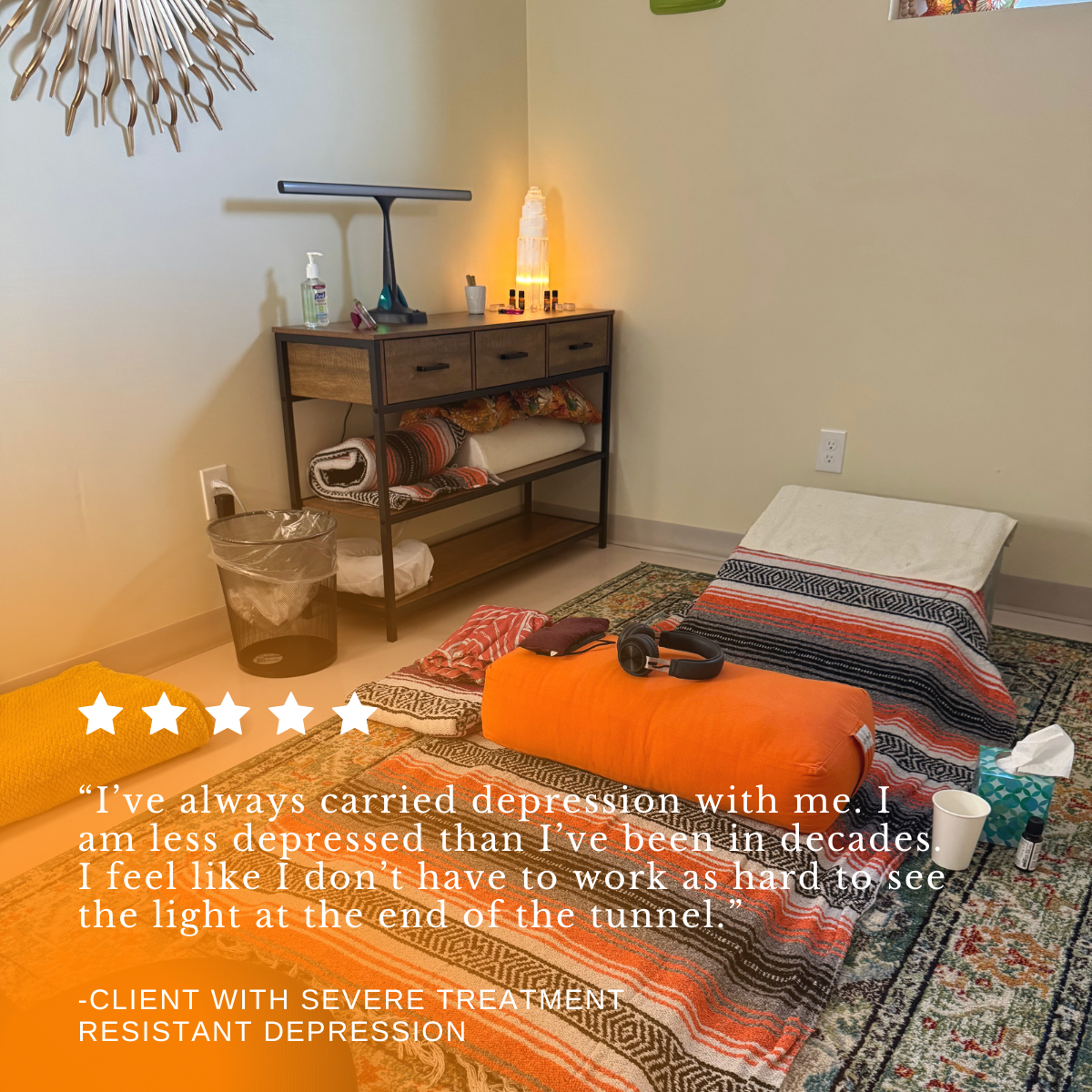
Calming, private spaces
Comfortable options for resting during the dosing session
Soothing music and lighting
Trauma-informed therapist presence
Clear safety protocols
This intentional environment allows the nervous system to relax, helping clients feel safe enough to explore deeply emotional material.
Ketamine-Assisted Therapy in Cuyahoga Falls & Akron: A Modern Path to Mental Wellness
For individuals seeking advanced mental health care in Cuyahoga Falls and Akron, Ohio, ketamine-assisted therapy offers a transformative option grounded in science, compassion, and therapeutic support.
When delivered ethically and intentionally, ketamine-assisted psychotherapy can help individuals reconnect with themselves, process unresolved trauma, and cultivate emotional resilience.
If you’re considering ketamine-assisted therapy for yourself or a loved on, a consultation with one of our trained providers can help determine whether this approach aligns with your needs and goals.

7 Key Benefits of Group Ketamine-Assisted Therapy
Group Ketamine-Assisted Therapy (G-KAP) is an emerging therapeutic approach that combines the neuroplasticity-enhancing effects of ketamine with the supportive dynamics of group therapy. This modality offers several unique benefits:
1. Enhanced Emotional Processing
Ketamine can lower psychological defenses, allowing individuals to access and process deep-seated emotions and memories. In a group setting, sharing these experiences can amplify healing, as participants offer support and validation to one another.
2. Stronger Sense of Community
Participating in KAGT fosters a sense of belonging and reduces feelings of isolation. The shared journey creates a supportive network, which can be crucial for individuals facing mental health challenges.
3. Accelerated Healing
The collective energy and shared insights in a group can expedite personal healing. Observing others' breakthroughs can inspire and motivate participants, leading to faster and deeper therapeutic progress.
4. Diverse Perspectives
Engaging with individuals from varied backgrounds and experiences can provide new coping strategies and viewpoints, enriching one's own healing process.
5. Cost-Effectiveness
Group therapy sessions are often more affordable than individual ones, making ketamine-assisted therapy accessible to a broader range of individuals seeking treatment. Here at Alternative Therapeutics, we offer a sliding scale for G-KAP ranging from $150, $250 or $350 per 4 hour group session.
6. Reduced Stigma
Being part of a group normalizes the therapeutic process, reducing the stigma associated with mental health treatment and encouraging more individuals to seek help.
7. Integration of Experiences
Group discussions before and after ketamine sessions facilitate the integration of experiences, helping participants make sense of their journeys and apply insights to their daily lives.
Overall, Group KAP harnesses the power of community to enhance the therapeutic effects of ketamine, offering a holistic approach to mental health treatment. However, Group KAP isn’t for everyone. Those who struggle with severe social anxiety or feel strongly about privacy, may be better suited for 1:1 KAP.
Learn more about what we offer with KAP here. Reach out to britney@trainyourbrainohio.com with any questions or a free introductory consultation.

From Football to Fungi: How Mushrooms Saved My Mind
Written by: Hunter Allan - Co-founder Vesper Mushrooms
Growing up playing high school football, head trauma was simply part of the game. You’d take a hit, see stars, shake it off, and get back on the field. It was almost a badge of honor, a testament to your toughness. For years, coaches preached about grit and resilience, but rarely did anyone talk about the long-term effects of the physical toll we endured. This is of course, not a unique experience as almost 6 million people play tackle football in the US each year.
It wasn’t until my junior year of high school that our training staff introduced a new concussion protocol. Suddenly, we had baseline tests, cognitive assessments, and recovery plans. What struck me the most wasn’t the complexity of the new protocol but the glaring realization of how underserved we as young athletes had been during all those years leading up to it. I can honestly say that I would not have known there was anything dangerous about continuing to play with a concussion prior to that new protocol. Hell, I wouldn’t have known how to identify a concussion short of being knocked out cold.
As things changed on the science side, so too did our attitudes towards our brain health. Suddenly it wasn’t a funny quip when a player was visibly shaken to say he had ‘gotten his bell rung’, a phrase I had heard on almost a daily basis before. It was serious now. What a sobering wake-up call. I couldn’t help but think back to all those times I had played through the dizziness, the headaches, and the confusion. What was the long-term cost of all those hits? Would the damage continue to haunt me decades down the road? Was this to blame for what I would consider uncharacteristic behavior of late? I had been more irritable, anxious and sensitive. The uneasiness stuck with me like a shadow I couldn’t shake. I needed to do something.
The Solution on the Slopes
A year or 2 after hanging up the cleats, Jake and I were hitting the slopes east of Salt Lake City like we often did. Half a decade prior, we had met on the practice field preparing for our freshman fall season. Now we maintained a bond over the shared love of snow sports.
This particular day, sitting on a ski lift with the freezing wind biting at our faces, we passed directly over the spot where one of us had just taken a firm tumble and gotten up rattled. One of us probably remarked about how “there’s the spot where you went down, you’re lucky there’s a lot of powder left right there”. This Prompted a remark about how that crash was just one more tally on the sum total of all of the head trauma from our football days. The joke didn’t land.
Turns out, both of us shared a deep concern about how all those hits to the head could impact our lives down the road. It wasn’t just paranoia; there was mounting scientific evidence entering the zeitgeist suggesting that former football players often faced serious cognitive issues later in life related to the game. The thought of early-onset dementia or memory loss was terrifying, especially when you’re still so young and should feel invincible.
And that’s when I brought up something I’d recently heard about. “Have you heard of Lion’s Mane?” I asked Jake who had recently begun learning about mushroom cultivation as a hobby. “Supposedly, it’s good for brain health”.
The idea intrigued both of us. By the time we reached the top of the lift, we were already talking about how we could start incorporating Lion’s Mane into our routines. Jake mentioned that he had considered growing some and would do just that.
We couldn’t have imagined the path that this, the first in a series of important conversations, would lead us down.
The more we learned about this natural marvel, the more excited we were to begin experimenting and sharing our findings as far and wide as possible.
Let's take a look into the science behind the fascinating mushroom that offered us a beacon of hope.
Lion’s Mane for Cognitive Support and Brain Health: The Science
You’ll notice a trend here regarding the early science of lion’s mane and its benefits; the lion’s share (pun intended) of the science up till now has been published in Japan.
Japan is where Yamabushi monks were perhaps the first people to ever use lion’s mane to enhance their meditative practice. Japan is also where the renowned biochemist Hirokazu Kawagishi first described the potential of lion’s mane to promote NGF synthesis. More on that later.
Lion’s Mane mushroom (Hericium erinaceus) had begun to gain widespread attention for its ability to support brain health and cognitive function. This interest is due to the presence of bioactive compounds called hericenones and erinacines, which have been studied for their potential neuroprotective properties. This discovery held the possibility of not only protecting our brains from further damage but potentially repairing some of the harm already done.
But that’s not what I found most interesting for my purposes.
Neuroprotection and Cognitive Studies with Lion’s Mane
Research suggests that Lion’s Mane may promote the production of Nerve Growth Factor (NGF), a protein essential for the growth, maintenance, and survival of neurons. Enhanced NGF levels are associated with improved neuroplasticity, which is critical for learning and memory. This is unique and Lion’s mane is one of the only things known to potentially support cognitive regeneration.
In a 2009 study conducted by researchers at Tohoku University in Japan, participants aged 50–80 with mild cognitive impairment were given Lion’s Mane mushroom powder for 16 weeks. The study found significant improvements in cognitive function compared to the placebo group.
Research published in the International Journal of Medicinal Mushrooms found that Lion’s Mane extracts significantly stimulated NGF production, promoting neurite outgrowth by as much as 60.6%. This discovery supports the notion that Lion’s Mane could be a powerful natural tool for encouraging nerve regeneration and protecting the brain from degenerative processes.
Another study published in The Journal of Neurochemistry demonstrated that active compounds from Lion’s Mane improved nerve growth and memory in pre-clinical testing. The researchers noted significant improvements in cognitive performance, further suggesting Lion’s Mane’s potential to protect against age-related cognitive decline and neurodegenerative diseases like Alzheimer’s.
Further research into Lion’s Mane’s potential to combat neurodegenerative diseases has been promising. In a 2011 study, also conducted by researchers at Tohoku University, Lion’s Mane extract was shown to reduce memory loss and prevent neuronal damage caused by amyloid-beta plaques—one of the primary contributors to Alzheimer’s disease.
If I had already taken enough damage to cause deterioration in my brain, maybe NGF stimulation and neurogenesis could give me a shot at reclaiming some of what I’d lost. It sounded too good to be true. The idea that you could reverse brain damage felt like a pipe dream. Still, how unwise not to look at this incredible body of literature.
Mental Health Studies with Lion’s Mane
Beyond cognitive protection, Lion’s Mane may also help with mental health. A 2010 study conducted by researchers in Japan explored the mushroom’s effects on anxiety and depression. Over four weeks, menopausal women who consumed Lion’s Mane extract reported significantly reduced feelings of irritation and anxiety compared to those who received a placebo
The potential of Lion’s Mane to promote hippocampal neurogenesis (the growth of new neurons in the brain’s hippocampus) and reduce inflammation makes it a powerful natural tool for supporting emotional regulation and cognitive function.
Even if I wasn’t guaranteed to reverse any of my concussion damage or to see improvements in my focus, it would be worth it to at least try lion’s mane if it may at least help me to feel less irritable and anxious. Plus, it’s natural.
Why It Matters; Why I Take Lion’s Mane
These findings suggest that Lion’s Mane is a powerful natural tool for promoting brain health, enhancing cognitive function, and supporting overall mental wellness. While more research is always useful, the evidence so far is incredibly promising for those looking to support their brains through natural, holistic means.
Lion’s mane certainly isn’t any more magical than anything nutritive and antioxidizing but is certainly a large piece of a larger puzzle, one that many are already seeing benefit from.
In my own experience, when I began using lion’s mane extract regularly, I noticed improved focus which allowed me to get through a workday or a long study session without constant need to distract myself.
I felt quicker, with faster word recall and better fluidity.
Maybe most importantly and most noticeable of all, I felt better. I wasn’t irritable the way I had been before. I had alleviation of light and sound sensitivity which had been a grating symptom since receiving one concussion in particular.
Once I switched from using powder to the more bioavailable liquid extracts, the timeline worked like this; (this is meant to highlight where my personal excitement came from. Everyone seems to have their own unique take as to why they enjoy using lion’s mane extract)
Days 1-3: Usually no noticeable improvement from using the lion’s mane (though some of our clients report feeling impact within the first 2 days so it’s not unheard of).
Day 3 - 2 weeks: Steady improvement in my mood, I feel noticeably present and aware of my surroundings. I am prone to sweating the small stuff.
Beyond 2 weeks: As I continue to use lion’s mane, I feel sharper. I feel like I’m able to easily shrug things off and continue focusing on what matters. I feel like any word in my vocabulary is immediately available, I don’t have to go searching for it. Plus, it might just be me but I think my Spanish improves.
That’s just me.
In the years since lion’s mane, we embarked to share the potential value of functional mushrooms like lion’s mane and in return, many in our community have shared their experiences with us. The positive and enlightening stories of growth we’ve heard from our customers act like the motor that keeps us pushing to share the power of these amazing organisms.
From Beckett:
“I definitely felt like my cognition improved. It was like I had another layer to my thoughts, and it's really helped me in my daily life.”
From Sarah:
“I drink it every morning in a glass of water. It has helped me be more focused and alleviated some brain fog issues.”
And from Erica:
“The Lion's Mane helps calm my nervous system, far better than anything else I have encountered and I have tried numerous things. “
From Curiosity to Creation: The Birth of Vesper Mushrooms
A single remark on a frigid ski lift was the spark that set everything into motion. The more Jake and I talked about Lion’s Mane and its potential benefits, the more fascinated we became. We weren’t interested in a quick fix or a magic pill so we kept an eye out for something real. Something natural that could actively support brain health even in already-healthy brains and possibly even reverse some of the damage we’d already endured.
As Jake and I began experimenting, we tried out different extracts and blends of Lion’s Mane. One of the biggest lessons we learned from clear evidence is that liquid mushroom extracts are the way to go. Lion’s mane and other mushrooms have a rough chitinous cell-wall which doesn’t digest well. When you extract the nutrients from the mushrooms into a liquid, you can readily use the beneficial nutrients in your cells.
As we got deeper into the world of functional mushrooms, we were fascinated to learn that Lion’s Mane was only the beginning. The other mushrooms we classify as ‘functional mushrooms’ are the following:
• Reishi (Ganoderma lucidum): Known as the “Mushroom of Immortality,” or “Queen Mushroom”. Reishi is renowned for its calming effects. Studies suggest it may help reduce stress, enhance sleep quality, and support immune function through its powerful anti-inflammatory and antioxidant properties.
• Cordyceps (Cordyceps militaris): Commonly used to boost energy and physical performance, Cordyceps is thought to improve oxygen utilization and enhance stamina. It may also support heart health and assist the body’s natural ability to manage stress.
• Chaga (Inonotus obliquus): Often referred to as the “King Mushroom,” Chaga is prized for its high antioxidant content. It has been studied for its potential to support immune health, reduce oxidative stress, and promote overall cellular health.
• Turkey Tail (Trametes versicolor): This mushroom is best known for its immune-boosting properties. Rich in polysaccharides like PSK and PSP, Turkey Tail has been researched extensively for its ability to support gut health and enhance immune function.
• Maitake (Grifola frondosa): Sometimes called the “Dancing Mushroom,” Maitake is believed to enhance immune function and support metabolic health. It may also assist in balancing blood sugar levels and promoting cardiovascular wellness.
We began to extract each of these mushrooms, growing most of them in-house. Whenever we have to add outside mushrooms to our extracts, we use all-USA mushrooms from a vendor we are confident in. What started as a couple of concerned former football players trying to find some assurance for themselves turned into something multi-faceted. Vesper Mushrooms is our liquid extract brand and Myco Energy combines lion’s mane and cordyceps along with l-theanine and B-vitamins into a natural, sugar free energy drink.
By now we have all seen ads for mushroom coffee or other mushroom supplements, all offering unique approaches to making functional fungi accessible and simple for everyone. However you choose to incorporate these mushrooms into your lives, we would be glad to hear from you regarding your experiences with functional fungi.
Mushrooms are incredible. Roughly 2 million unique organisms and for the most part, we understand very little about them. In recent years we’ve discovered how they can help digest plastic waste and oil spills, how they can help save the bees, and how mushrooms intelligently interact with each other and the world. Did you know mushrooms can communicate with each other? We are now even beginning to understand how psychoactive compounds found in mushrooms might have therapeutic benefits. But of all the 2 million mushrooms, and the 6 ‘functional mushrooms’, I never hesitate when I’m asked which of them all is my favorite. There’s just something about lion’s mane.
Hunter Allan Co-founded Vesper Mushrooms in 2022 along with Jake Stout. Vesper Mushrooms makes high-quality liquid mushroom extracts, grown and extracted in the USA.
Learn more about Vesper Mushrooms products below:
• Lion’s Mane Extract: Perfect for enhancing cognitive function, promoting mental clarity, and supporting nerve regeneration.
• Reishi Extract: Known for its calming properties and support of the body’s natural stress response.
• Pink Freud - Reishi and Lion’s Mane Blend: A powerful combination designed to promote both relaxation and focus.
• Gray Matter - 5 Mushroom Spagyric Concentrate: A holistic formula for overall brain health and vitality.
• Chaga Extract: Renowned for its immune-boosting properties.
• Cordyceps Extract: Ideal for enhancing physical performance and stamina.
• Turkey Tail Extract: Supports gut health and overall immune function.
• Gold Metal Cordyceps and Lion’s Mane Blend: The basis for our Myco Energy drink, aimed at promoting sustained energy and mental performance.
You can check out Myco Energy at mycoenergy.com.

Understanding Attachment Theory in Counseling
Through the lens of attachment theory, all relationship behaviors are attempts to experience, maintain, or obtain connection and security. Attachment theory, developed by psychologist John Bowlby, suggests that the bonds we form with our caregivers in infancy and childhood determine how we perceive and engage in relationships as adults. We develop secure attachments when our caregivers provide consistent love, support, and responsiveness, fostering a sense of safety and trust in relationships.
In contrast, insecure attachments are developed when caregivers are unpredictable, neglectful, or absent, often creating difficulty trusting others and issues with emotional intimacy. These initial attachment experiences can influence the type of relationships we choose and environments we create later in life. In an environment of secure attachment, our needs for security and closeness are met, and so we feel safe to be vulnerable, connect with others, and explore the world around us. But in an environment of insecure attachment, we may develop dysfunctional behaviors in a misguided attempt to get our attachment needs met, often not knowing what a securely attached relationship even feels like. Looking at these behaviors through the lens of attachment theory helps us find better ways to achieve the same goal: To feel seen, heard, safe, and loved.
Understanding attachment theory helps put words to our body’s attachment experiences. Our body is wired with systems that are always working to gain and maintain safety and survival. For example, our body’s appetite system lets us know when we are hungry and cues us to eat. Similarly, our body is wired with an attachment behavioral system that causes our bodies to experience distress when our attachment feels threatened and maintain this distress until we get our attachment needs met. Just like we learn to recognize our body’s signals of hunger and how to communicate and meet those needs, counseling can help us learn to recognize our body’s signals for attachment and how to communicate and meet those needs in functional ways.
If your counselor practices attachment theory, you can expect them to:
Prioritize the therapeutic relationship
Create a safe, non-judgmental environment for you to explore painful feelings and experiences
Help you identify your individual attachment style and explore the role that it plays in your current relationships
Support you in exploring past experiences that shaped your attachment system and encourage you to reflect on how these experiences may impact the way you perceive and interact with the world now
Help you shift dysfunctional perspectives and engage in more functional behaviors to meet attachment needs
Attachment theory is not just about the past; it’s also about the future. The therapeutic relationship itself can serve as a corrective emotional experience, allowing us to process and challenge dysfunctional attachment patterns in a safe, supportive, and secure environment. By learning to recognize, communicate, and fulfill our attachment needs, counseling can help us develop and feel a more secure attachment with our loved ones and ourselves.
Curious about your attachment style? Take this free quiz!!
Written by: Hailey Adams, M.Ed., LPC

Polyvagal Theory and Our Nervous System: A Path to Healing Through Understanding
Our nervous system plays a central role in how we experience and respond to stress, trauma, and everyday challenges. When it becomes dysregulated, we can feel stuck in patterns of anxiety, anger, or overwhelm. Through Polyvagal Theory, we can learn about how our nervous system functions to better understand and regulate our emotional states.
Imagine yourself taking an afternoon stroll when you suddenly come face-to-face with a bear. You feel your adrenaline kicking in and you quickly assess how to respond to keep yourself safe. You first consider fighting back or running away (“fight-or-flight”) before deciding to lay down and play dead (“freeze”). Once the bear has returned to the woods, do you get up and calmly continue your stroll? No! You run back to the car as quickly as you can. Throughout your drive home you slowly start to notice your adrenaline subside and your body returns to a state of calm, but the next time you visit that path, you’re likely to find yourself more alert than before. Now imagine that happens again and again and again. You may find yourself extremely on edge and anxious even anticipating the walk, or you may avoid going on walks altogether. This is what it’s like for our system to experience chronic stress and trauma.
What is Polyvagal Theory?
Polyvagal Theory, developed by neuroscientist Dr. Stephen Porges, explains how our nervous system influences our emotional experiences and behaviors. This theory focuses on the vagus nerve. The vagus nerve is responsible for our autonomic functions like heart rate, breathing, and digestion, as well as how we respond to stress and danger. Our nervous system is constantly seeking a state of safety and connectedness, and our emotional and physiological states are deeply interconnected with our sense of safety.
The theory identifies three primary states of the nervous system:
The Social Engagement System (Ventral Vagal State): This is the state of safety and connection. When we are in this state, our body is calm, and we feel relaxed, present, and able to connect with others. We engage in healthy communication, and our emotional responses are balanced.
Fight or Flight (Sympathetic Nervous System): When we sense danger or threat, our body enters a state of heightened alertness. In this state, we may experience anxiety, rapid heart rate, or feelings of anger or fear. This response helps us survive, but when overactive, it can lead to chronic stress and difficulty calming down.
Freeze or Shutdown (Dorsal Vagal State): When the body perceives a threat as overwhelming, it may enter a state of collapse or shutdown. This is often linked to feelings of numbness, dissociation, or immobilization.
How Polyvagal Theory Can Help in Therapy
Utilizing Polyvagal Theory in therapy can help clients recognize where they are in their nervous system and how to shift toward more balanced states of being. Here’s some examples of what Polyvagal Theory may look like in therapy:
1. Building Safety and Connection
The relationship between the therapist and client is shown to be the biggest factor in determining client outcomes, meaning it is crucial to create a space where clients feel safe, heard, and understood. Polyvagal Theory emphasizes the importance of tapping into the ventral vagal state to increase social engagement and connection. Therapists trained in Polyvagal Theory will often work to establish a strong therapeutic alliance, offering a grounding presence for coregulation, attunement to the client’s emotional experiences, and unconditional positive regard. When a client feels safe, they are better equipped to engage in the therapeutic process.
2. Recognizing and Tracking States
Through the lens of Polyvagal Theory, clients can begin to identify their experiences within each state of their nervous system. Therapists may help clients track their emotions, noticing when they feel grounded, activated, or shut down. By learning to identify these states in real-time, clients can begin to develop tailored tools for self-regulation.
3. Regulating the Nervous System
Therapists can help clients develop strategies for shifting from dysregulated states back into a balanced, ventral vagal state. Techniques often used include:
Grounding exercises: Mindful movement and sensory awareness can help clients reconnect with the present moment and their bodies.
Somatic experiencing: Focusing on bodily sensations and using movement and stretching helps to release stored tension in the body.
Breathing exercises: Slow, deep breathing signals to your brain that you're safe.
Guided imagery: Clients may be guided to imagine a container to help hold heavy feelings and experiences, or imagine a safe, calming environment, which can activate the social engagement system and promote a sense of safety.
4. Healing Trauma and Chronic Stress
Trauma and chronic stress can keep us feeling stuck in a state of arousal or dissociation. Polyvagal Theory is particularly helpful in treating trauma because it helps clients understand how trauma can be stored in our bodies. Clients may explore how their trauma has influenced their nervous system and work to create a safety and stability before diving into deeper emotional work.
Moving Toward Healing and Regulation
By understanding the science behind Polyvagal Theory and learning how our nervous system works, we can take an active role in restoring balance within our system. The journey often begins with awareness—recognizing when we are dysregulated and learning ways to gently bring ourselves back into a grounded state. If you are feeling “stuck” in a state of overwhelm, anxiety, or disconnection, know that you are not alone. Your body is doing what it is designed to do… Keeping you safe! Through therapy, clients can begin to restore their sense of safety and heal the effects of chronic stress and trauma
Written by: Hailey Adams, M.Ed., LPC

Signs of High-Functioning Anxiety
I decided to write this blog post because well, it describes me perfectly. I recently came across the term “high-functioning anxiety” in an Instagram post and a lightbulb went off in my brain. “Hey! That’s me!”
To be honest, it wasn’t until the last few years that I was even able to admit to myself that I struggle with anxiety. It’s not because of the stigma because hey, who DOESN’T struggle with anxiety and/or depression these days?!? Plus, I work in the field of mental health, I should know what anxiety looks and feels like right? Probably, but for me, I missed the symptoms because my version of anxiety doesn’t look like most other versions of anxiety that I’m usually seeing in my office.
High-functioning anxiety is a term often used to describe individuals who experience symptoms of anxiety but are able to function well in their daily lives, sometimes masking the emotional distress beneath a façade of outward success. People with high-functioning anxiety may appear calm, composed, and successful, but they may be struggling internally with intense stress and worry.
Here are some common signs of high-functioning anxiety:
1. Overthinking & Perfectionism
Constantly analyzing every decision or action, fearing that making a mistake will have severe consequences.
Setting extremely high standards for oneself and being overly critical of mistakes or imperfections.
2. Constant Worrying
A constant feeling of unease or tension about the future, even when things are going well.
Often thinking about worst-case scenarios, even if there is no logical reason to expect them.
3. Difficulty Relaxing
Struggling to relax or unwind, even when there’s nothing to do.
Feeling on edge or restless, making it hard to "turn off" thoughts, especially before bed.
4. People-Pleasing
A strong desire to please others and avoid conflict, often at the expense of one’s own needs or well-being.
Feeling guilty for saying "no" or setting boundaries, even when it’s necessary for self-care.
5. Tendency to Hide Emotions
Masking feelings of anxiety or stress by keeping up appearances, often presenting a calm or composed exterior.
Not wanting to burden others with personal struggles and avoiding sharing vulnerabilities.
6. Physical Symptoms of Anxiety
Experiencing physical symptoms like muscle tension, headaches, stomach problems, or fatigue without obvious medical causes.
Difficulty sleeping due to racing thoughts or being constantly alert.
7. High Levels of Self-Criticism
A constant inner dialogue of self-doubt and harsh judgment, often thinking one isn’t doing enough or that they're not good enough.
Feeling like you need to constantly prove yourself to others, even when it's unnecessary.
8. Difficulty Saying "No"
Taking on more work or responsibilities than can be reasonably managed, out of fear of disappointing others.
Overcommitting to things even when overwhelmed or stressed.
9. Overachieving Behavior
Pushing oneself to achieve or perform at a high level in all areas of life (career, relationships, hobbies), often to compensate for internal anxiety.
Often feeling like you must be “the best” or always in control.
10. Avoidance of Negative Emotions
Trying to avoid or suppress negative feelings like sadness or frustration by staying busy or focusing on productivity.
Often dismissing or invalidating emotions because they’re perceived as a weakness.
11. Social Anxiety or Fears of Judgment
While still managing social interactions, there may be underlying anxiety about how others perceive you, leading to perfectionistic behavior or self-consciousness.
Fear of being judged or evaluated, even in routine situations like meeting friends or colleagues.
12. Chronic Stress & Burnout
Consistently feeling overwhelmed by daily tasks, responsibilities, and expectations, leading to mental and physical exhaustion.
Struggling to take breaks or prioritize self-care, often because there’s a sense of guilt or pressure to keep performing.
13. Difficulty Asking for Help
Preferring to handle everything independently, even when help is needed, due to a fear of appearing weak or incapable.
Reluctance to seek professional help, such as therapy or counseling, for fear of being judged or not being taken seriously.
14. Avoiding Change or Uncertainty
A strong desire for control and stability, leading to anxiety when faced with uncertain or unpredictable situations.
Reluctance to try new things or take risks due to fear of failure or not being perfect.
15. Imposter Syndrome
A persistent feeling of being inadequate or that one doesn’t deserve success, despite external achievements.
Feeling like a “fraud” or fearing that others will "find out" you don’t know what you're doing, even when there’s no real reason to feel this way.
While high-functioning anxiety can often go unnoticed because the person seems outwardly capable, it's important to recognize that these internal struggles can take a toll over time. If any of these signs resonate, it may be helpful to consider speaking with a mental health professional to explore coping strategies and manage anxiety in a healthier way.
For me, in my own work with my therapist, I’m learning to identify the parts of myself that constantly feel the need to “do” and “achieve” (also the why of how they got that way in the first place, HELLO childhood trauma!) and helping these parts to find more balance within my internal system. I’m learning (slowly but surely) to PLAY more, ask for help more, say NO more and navigate boundaries in a more healthy way.
Written by Britney Cirullo, MA, LPCC-S, BCN