
Brain Mapping (qEEG) and Neurofeedback
What Is a Brain Map (qEEG)?
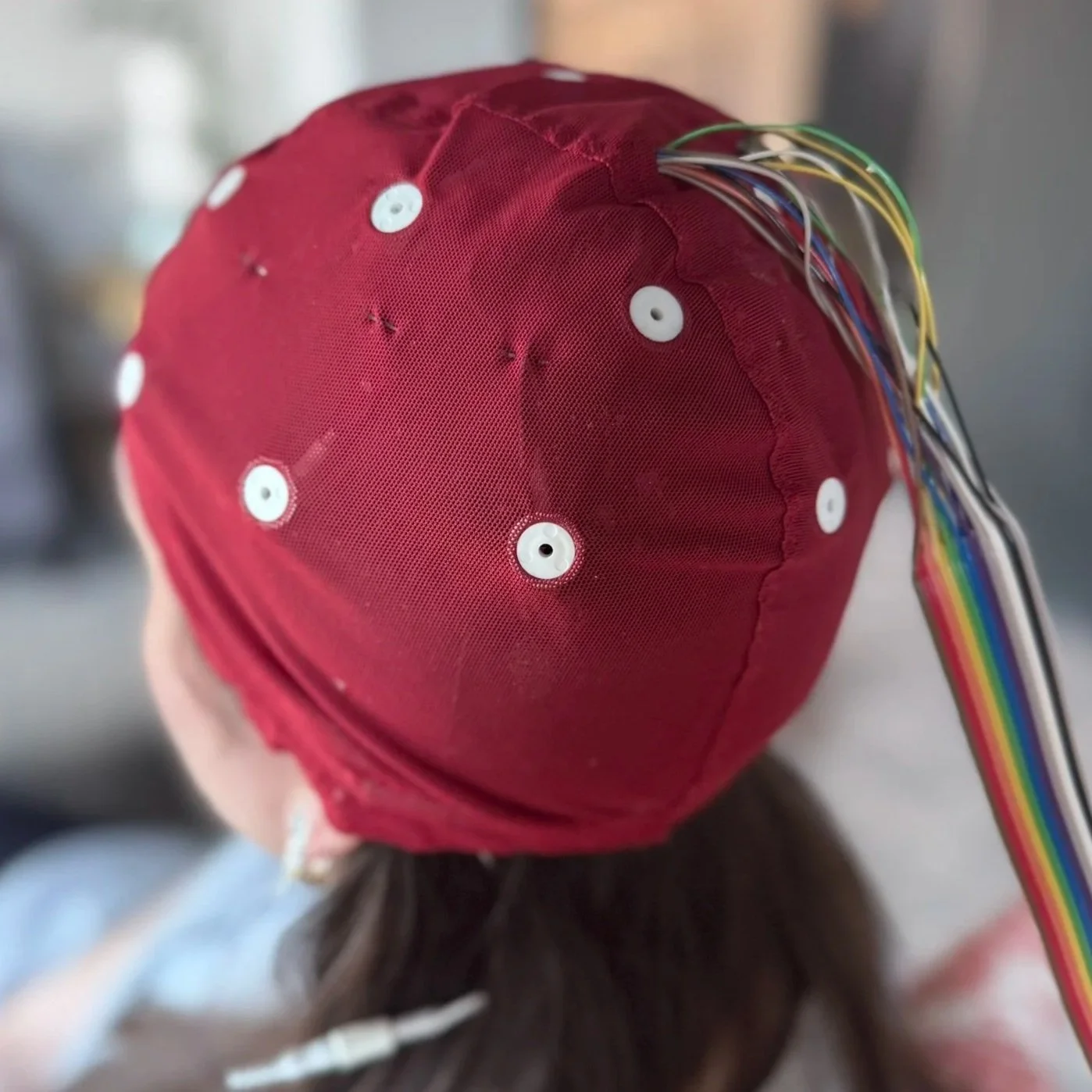
A quantitative electroencephalogram (qEEG), often called a brain map, is a non-invasive assessment that measures electrical activity throughout the brain. At Alternative Therapeutics, we use a full 19-channel qEEG brain map to gain a comprehensive understanding of how your brain is functioning and to create a personalized neurofeedback training plan.
A qEEG brain map evaluates activity across the entire brain, allowing us to identify patterns related to attention, emotional regulation, stress response, cognitive performance, sleep, and nervous system functioning.
Whether you are seeking support for anxiety, ADHD, trauma, PTSD, autism spectrum differences, concussion recovery, emotional regulation, or peak performance, a qEEG can provide valuable information to guide your care.
What Can a Brain Map Tell Us?
A Comprehensive View of Brain Function
A full 19-channel qEEG measures electrical activity across multiple regions of the brain and compares the findings to age-based normative databases. This allows us to identify patterns that may be contributing to symptoms, challenges, or performance concerns.
Rather than focusing solely on symptoms, brain mapping helps us better understand how your brain is processing information, responding to stress, regulating emotions, and maintaining focus and attention.
Brainwave Activity and Regulation
Your brain produces different brainwave frequencies that support attention, concentration, emotional regulation, memory, processing speed, sleep, and overall mental performance.
A qEEG helps us evaluate whether specific brainwave frequencies are overactive, underactive, or out of balance in different regions of the brain. These patterns can sometimes be associated with difficulties such as:
Anxiety and chronic stress
ADHD and attention difficulties
Emotional dysregulation
Sleep concerns
Brain fog and cognitive fatigue
Trauma and PTSD symptoms
Autism spectrum-related challenges
Recovery from concussion or brain injury
Brainwave Distribution
Brain map reports include color-coded images that visually display how your brain activity compares to age-based normative data.
These maps illustrate the strength (amplitude) of specific brainwave frequencies across different regions of the brain.
Colors generally range from:
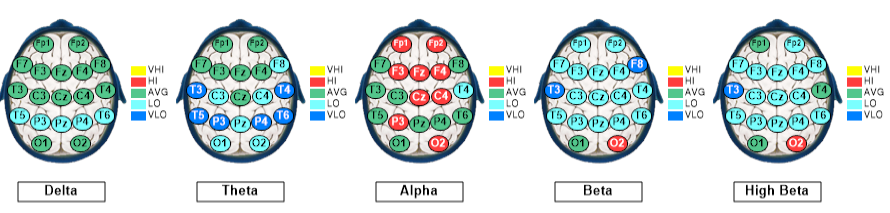
Red and orange: Higher than average activity
Green: Average activity
Blue: Lower than average activity
These visual representations help identify areas that may benefit from targeted neurofeedback training.
Who Might Benefit From a Brain Map?
Brain mapping may be helpful for individuals seeking a deeper understanding of their brain function and nervous system regulation.
Common reasons people pursue a qEEG brain map include:
Children and Teens
ADHD and attention difficulties
Autism spectrum differences
Behavioral challenges
Learning difficulties
Emotional regulation concerns
Anxiety and school-related stress
Adults
Anxiety and chronic stress
Trauma and PTSD
Depression and mood concerns
Brain fog and burnout
Executive functioning challenges
Sleep difficulties
Peak performance and cognitive optimization
Neurological and Health Concerns
Concussion or traumatic brain injury
Post-concussion symptoms
Sensory processing challenges
Chronic stress and nervous system dysregulation
Persistent cognitive or emotional symptoms without clear answers
Many clients choose brain mapping because they want objective information about how their brain is functioning and a more personalized approach to neurofeedback and mental health treatment.
Personalized Neurofeedback Planning
At Alternative Therapeutics, brain mapping is never viewed in isolation.
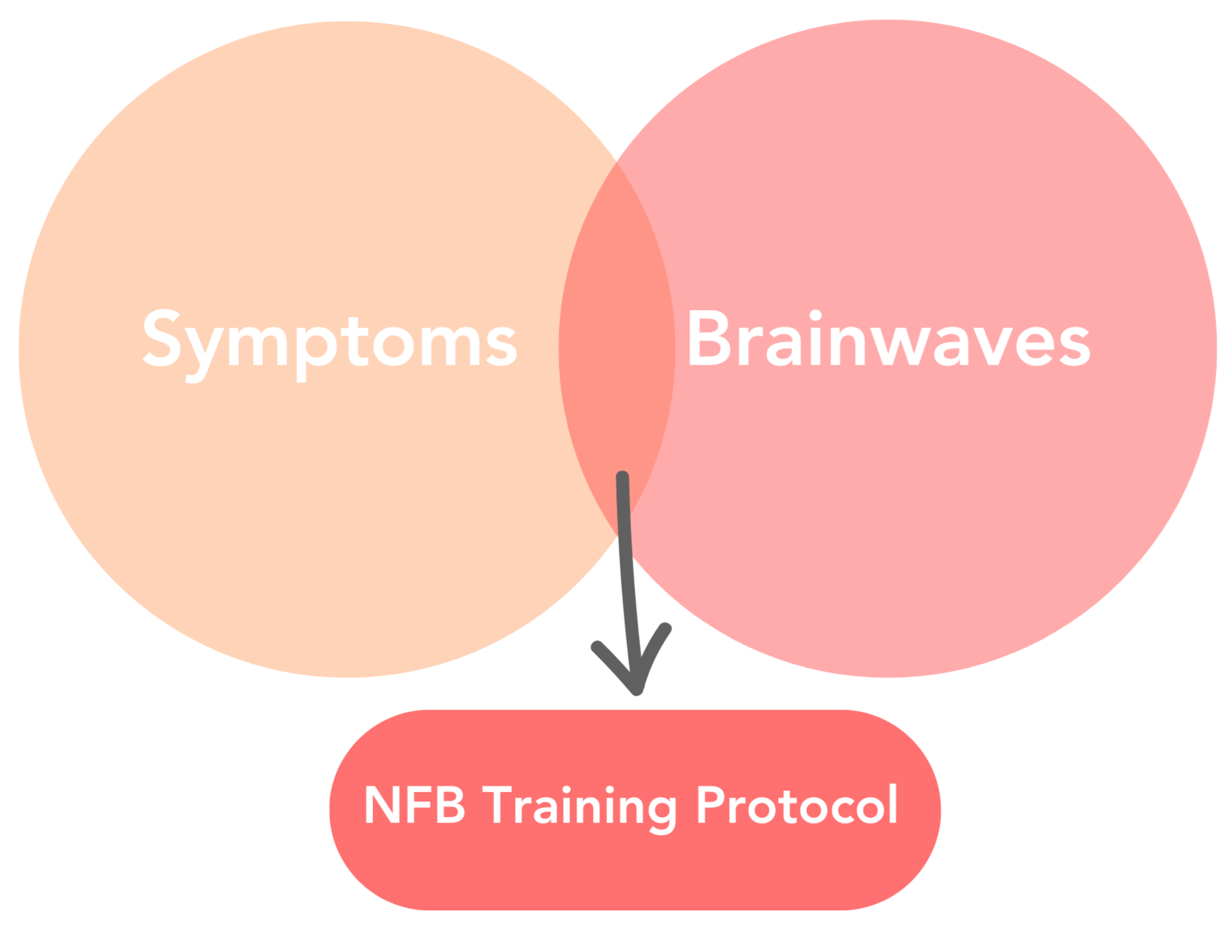
Your clinician combines qEEG findings with your symptoms, health history, strengths, goals, and lived experiences to develop a customized treatment plan. This may include neurofeedback,LENS neurofeedback, counseling, EMDR therapy, lifestyle recommendations, or a combination of services designed to support lasting change.
The goal is not simply to collect data—it is to use that information to create a roadmap for improving brain function, emotional well-being, and overall quality of life.
Where Your Life Meets the Science
No two brains are exactly alike.
While qEEG findings can reveal meaningful patterns, the most important information comes from understanding your unique experiences, challenges, and goals. Brain mapping helps bridge the gap between neuroscience and everyday life, providing a clearer picture of how your brain functions and how neurofeedback may help support positive change.
Important Disclaimer
A qEEG brain map is not a diagnostic tool and cannot diagnose medical, neurological, psychological, or developmental conditions. Brain maps identify patterns of electrical activity that may be associated with certain symptoms or challenges, but there is no single brain map pattern that definitively indicates a particular diagnosis.
Neurofeedback and qEEG brain mapping focus on the electrical activity of the brain, which is only one aspect of overall brain function. All findings should be interpreted within the context of a comprehensive clinical evaluation and discussion with your clinician.
Alternative Therapeutics provides qEEG brain mapping and neurofeedback services for children, adolescents, and adults throughout Cuyahoga Falls, Akron, Hudson, Stow, Kent, Fairlawn, and Northeast Ohio.